




What We're Reading Now
Try Harder to Imagine the Worst
17 February 2026
Allison read Why It’s Best to Imagine the Worst by Dr. Tanmeet Sethi and appreciated powerful advice on a better way to listen to someone who is dealing with something painful.
Tags: allison read, empathy, gratitude, grief, listening
It’s hard to know what to do when we’re confronted with another person’s pain. I think people say, “I can’t imagine what you’re going through,” for many different reasons. Perhaps they are trying to convey their deep sadness on behalf of the other person or maybe they want to demonstrate that they understand that the situation is one of the worse things that can happen.
In her article, Why It’s Best to Imagine the Worst, Dr. Tanmeet Sethi shared her story about receiving a terrible diagnosis for her second son while she was pregnant with her third child. She explained why hearing, “I can’t imagine…” made her feel so much worse. Sethi knew those people were trying to say the right thing or just couldn’t figure out what to say at all. But at that moment, it always felt as though the person was really saying that Sethi’s life was. “…so horrible and otherworldly that it can’t live within her imagination.”
Sethi explained how she has navigated and is still navigating her child’s vicious illness. I appreciated her anger over being told to practice gratitude, her willingness to give it a try because nothing else was working, and her explanation of how gratitude helped her to start coping and to keep coping as her son gets closer to death.
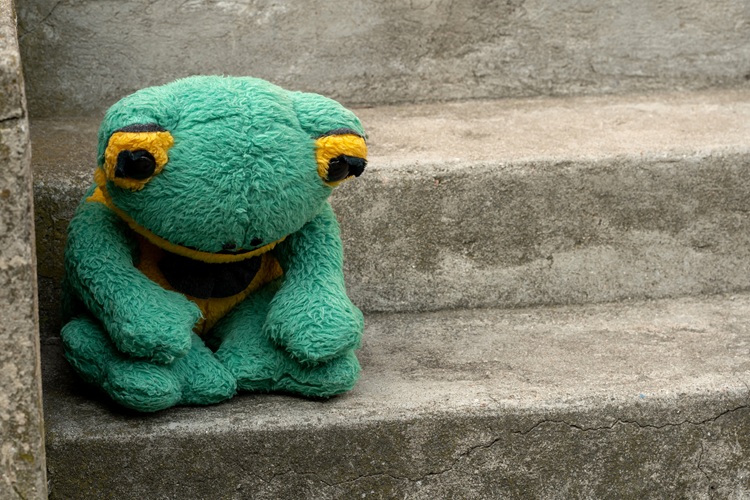
Sethi also has advice for what to say instead of, “I can’t imagine,” and how to respond to people who say, “I can’t imagine” to you. The former is easy to implement… ‘“That sounds so hard.” Or offer the human truth: “I don’t know what to say, but I’m here with you.”’
The latter is much more difficult because you’re the one in pain trying to find the energy to give someone feedback on how their response hurts you. Sethi recommends, ‘“I really wish you would try to imagine my pain… Not because our pain is the same but because imagining it will connect you to me and maybe even more deeply to your own pain.”’ While this led to plenty of awkward moments and took more courage, she said it’s also helped her to get the support she needed from others and opened her to more joy, gratitude, and deeper relationships.


Comments
Our Comment Policy:
Our blog posts are only half of the conversation. What our readers have to say is equally important to us, and we're grateful for all the comments that continue the dialog.
To ensure that the discussion here is as useful as possible to all of our readers, please be respectful of our contributors and refrain from harassing, threatening and/or vulgar language. We reserve the right to screen and remove any comments from the site. If you have a question about a comment or want to discuss our policy, please contact us. We'll talk it over.
There are no comments for this entry yet.